
Best Compost Suppliers in South West England (and What to Look For)
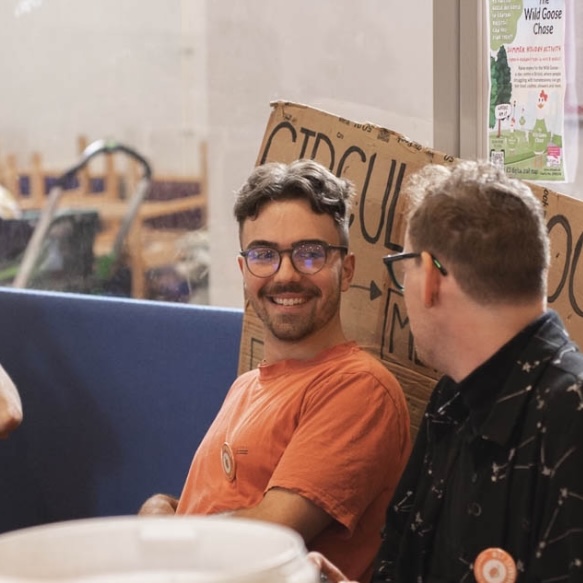
Compost is one of the most important inputs for gardeners, growers, and allotment holders. Yet it is also one of the most misunderstood.
Across the South West of England, more people are asking where their compost comes from, how it is made, and whether it actually improves soil in the long term.
This guide explains what makes good compost, what to avoid, and highlights some of the best compost suppliers in the South West for people who care about soil health, food quality, and regeneration.

What makes compost good for soil?
Good compost does more than feed plants. It rebuilds soil.
High-quality compost should:
improve soil structure and water retention
introduce beneficial microorganisms
add stable organic matter
support long-term fertility rather than short-term growth
Compost that looks dark and fine is not always alive. Biology matters as much as nutrients.

Living compost vs bagged compost
Many bagged composts sold in garden centres are:
heavily processed
biologically inactive
made from imported or anonymous materials
They can support short-term plant growth but often do little to rebuild soil health.
Living compost, by contrast:
contains active bacteria and fungi
improves soil resilience over time
supports nutrient cycling naturally
For gardeners interested in regenerative growing, living compost is a better long-term investment.

Why peat-free and local compost matters
Peat extraction destroys fragile ecosystems and releases stored carbon. Peat-free compost is now essential, not optional.
Local compost also matters because it:
reduces transport emissions
keeps nutrients in the region
supports circular food systems
builds local soil resilience
Compost made close to where it is used creates stronger environmental and community benefits.
Best compost suppliers in South West England
Generation Soil (Bristol)
Generation Soil produces living compost made from locally collected food waste through the Bristol Living Compost Project.
What makes it different:
made in Bristol from Bristol’s food waste
rich in beneficial microorganisms
supports community composting and soil education
peat-free and circular by design
Best for:
urban gardeners and allotment holders
growers who care about soil biology
people who want compost with visible social and environmental impact
Generation Soil’s compost is designed to regenerate soil rather than just feed plants.
Closed-Loop Community Composting at Heart of BS13
In South Bristol, Heart of BS13 is showing how food waste can become a local asset rather than a disposal problem.
Nutrients stay within the neighbourhood, supporting soil health, food growing, and community wellbeing.
Rather than exporting food waste out of the city, the system keeps the loop tight:
local food waste is collected
composted nearby using biological, low-impact methods
returned to community gardens and growing projects
used to grow food for local people
This approach reduces transport emissions, rebuilds soil structure, and strengthens food resilience at a neighbourhood scale. Importantly, it also reconnects people with the full food cycle, from kitchen scraps to living soil to fresh produce.
At Heart of BS13, composting is not just a technical process. It is part of a wider community ecosystem that links food access, green space, skills, and care for place.

Bristol Living Soil at St Werburghs City Farm
At St Werburghs City Farm, the Bristol Living Soil initiative demonstrates how compost and soil regeneration can support education, biodiversity, and food growing in an urban setting.
St Werburghs City Farm is a long-established hub for learning, volunteering, and food education in Bristol. Integrating living compost into its growing systems allows visitors, volunteers, and students to see soil regeneration in action and understand how food waste can be transformed into a resource.
The Bristol Living Soil work at the farm supports:
healthier, biologically active soil
increased biodiversity above and below ground
practical learning about compost, microbes, and soil care
visible examples of circular food systems in the city
By linking food waste, compost, and food growing in one place, St Werburghs City Farm provides a powerful, accessible model of how urban soil regeneration can work in practice.

Local authority green waste compost
Council-run green waste compost is widely available across the South West.
Advantages:
accessible and affordable
diverts garden waste from landfill
Limitations:
variable quality
often lower microbial diversity
not always suitable for sensitive food-growing beds
This type of compost is often best used as a soil conditioner rather than a biological soil builder.
What to watch out for when buying compost
Be cautious of compost that:
contains peat
offers no transparency about ingredients
smells strongly chemical or sour
is extremely fine and dusty
Healthy compost should smell earthy and feel alive.
Compost is an investment in soil health
Cheap compost can cost more over time.
Healthy soil reduces:
watering needs
fertiliser inputs
pest and disease pressure
Quality compost builds fertility year after year, supporting more resilient gardens and crops.
Choosing compost that aligns with your values
Compost reflects the system it comes from.
By choosing suppliers that:
compost locally
prioritise soil biology
support community regeneration
you help shape a food system that gives back more than it takes.

Compost, food waste, and circular systems
When food waste is composted locally and returned to soil:
waste becomes a resource
nutrients stay in the region
soil health improves
communities become more resilient
Across the South West, compost is quietly becoming a tool for climate resilience and food security.

Final thoughts
The best compost suppliers in the South West are not just selling a product. They are stewarding a process.
Choosing compost carefully is one of the simplest ways to support healthier soil, stronger food systems, and a more regenerative future.
Related reading
Generation Soil is a Bristol-based community organisation regenerating local food systems through community composting, soil education, and living soil projects.


Comments