
How to Start Composting at Home in Bristol
Composting at home in Bristol doesn’t have to be complicated.
You don’t need a garden, special equipment, or perfect conditions. You just need a system that works for your home.
If you want to compost food waste without smells, mess, or confusion, this guide will walk you through your options and help you choose what works best for you.
Composting is less about perfection and more about keeping nutrients local and returning them to soil.

Why composting at home matters in Bristol
When food waste leaves our homes, it usually leaves the city too. With it go nutrients that could be rebuilding local soil.
By composting locally, Bristol households can:
-
reduce food waste sent to landfill or anaerobic digestion
-
keep nutrients in local soils
-
support healthier gardens, allotments, and growing spaces
-
take part in a circular food system at a human scale
Composting at home is one of the simplest ways to reconnect kitchens with soil.

1️⃣ Choose the right composting method
The best composting system is the one you’ll actually use.
If you live in a flat or don’t have outdoor space
Bokashi composting is usually the easiest option.
It works indoors and handles a wide range of food waste without smells or pests.
You can add:
-
fruit and vegetables
-
cooked food and leftovers
-
bread and grains
-
meat, fish, and dairy
Bokashi doesn’t finish the composting process, but it stabilises food waste so it can be composted properly later.
Learn more about bokashi composting
See how we turn bokashi into living compost

If you have a garden
You can compost outdoors using:
-
a compost bin
-
a compost heap
-
or a combination of bokashi and outdoor composting
Outdoor composting works best when:
-
food waste is balanced with carbon materials (woodchip, cardboard)
-
moisture and airflow are managed
-
inputs are added steadily, not all at once
Many Bristol gardeners still use bokashi first to reduce smells and pests.
If you want the simplest option
You don’t have to manage composting yourself.
Food waste can be collected locally, composted properly, and returned to soil across Bristol.
Want to skip the setup?
If you’d rather not figure all this out yourself, you can take part in a system that already works.

2️⃣ Know what you can compost

Different systems accept different materials.
Bokashi composting accepts:
-
fruit and veg scraps
-
cooked foods
-
bread and grains
-
meat and fish
-
dairy products
Traditional composting works best with:
-
fruit and vegetable scraps
-
garden waste
-
cardboard and paper
-
wood-based materials
Understanding this upfront avoids frustration later.
3️⃣ Keep it simple
Good composting habits are straightforward:
-
Collect food waste little and often
-
Don’t overfill systems
-
Follow basic guidance
-
Keep materials balances
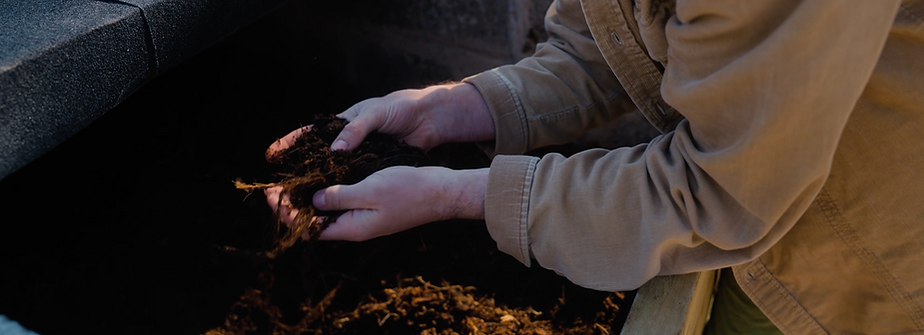
Composting is a biological process, not a machine.
It works best when you don’t overcomplicate it.

4️⃣ Decide what happens NEXT
Once food waste is composted, it can be:
-
used in gardens and allotments
-
shared with neighbours
-
donated to community growing spaces
-
returned through wider composting systems
In Bristol, compost doesn’t need to stop at your back door.
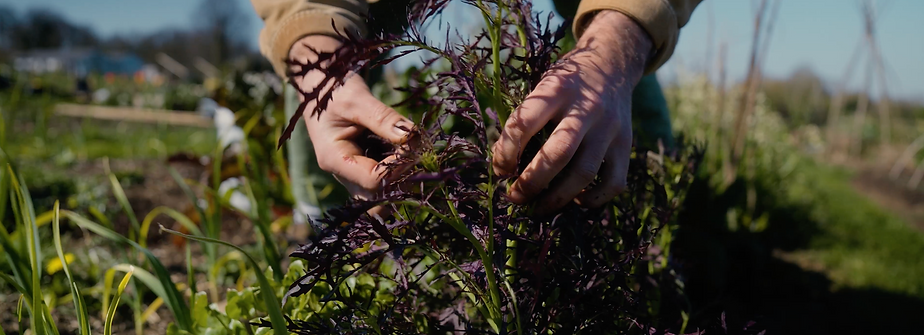
It can move through a wider system that feeds local soil.
Learn how compost supports our food forest market garden
Explore living compost available in Bristol
5️⃣ A community approach to composting
Composting works best when it’s shared.
Individual households don’t need to manage everything alone.
Food waste can become part of a wider system that supports:
-
soil health
-
local food growing
-
community resilience
That’s the approach behind Generation Soil.
A simpler way to compost in Bristol
You don’t have to do everything yourself.
The Bristol Living Compost Project allows households to take part in composting without managing the full process.
Food waste stays local.
Compost returns to soil.
The system does the rest.
who we've worked with


