
How to Make Bokashi Bran (and Turn Food Waste into Living Compost)
- Alex Montgomery
- Mar 23
- 3 min read
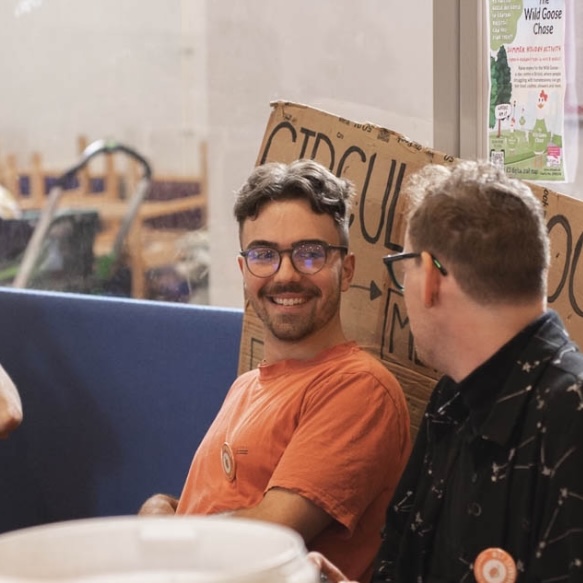
At Generation Soil, we work with food waste, compost, and soil as part of a regenerative food system.
One of the simplest ways to start composting at home is through bokashi fermentation. It’s an indoor, odour-free method that uses microbes to begin breaking down food waste before it ever reaches a compost pile.
And once you understand how it works, making your own bokashi bran becomes more than a DIY task. It becomes a way of participating in a local nutrient cycle, where food waste is transformed into living soil.

What Is Bokashi Composting?
Bokashi is a fermentation-based composting method that uses effective microorganisms, primarily lactic acid bacteria (LAB), to break down food waste in an anaerobic (sealed, oxygen-free) environment.
Unlike traditional composting, which relies on oxygen and can take 6–12 months, bokashi:
works indoors
produces no strong odours
accepts all food waste (including meat and dairy)
speeds up the composting process
Instead of rotting, your food scraps ferment.
This prepares them for faster breakdown once added to soil or a compost system.

How Bokashi Fits into a Regenerative Compost System
Traditional composting often follows a 50:50 mix of greens and browns, layered and turned over time.
It works, but it’s slow.
A regenerative compost system builds on this by introducing microbes earlier in the process:
Bokashi fermentation kickstarts decomposition
Aerobic composting with structure (e.g. woodchip) continues the process
Maturation allows living compost to stabilise and develop
By starting with fermentation, you can reduce composting time from over a year to just a few months.
Why Lactic Acid Bacteria Matter
Lactic acid bacteria are central to the bokashi process.
In practice, they:
break down organic matter into simpler, plant-available nutrients
produce organic acids that help improve soil structure
suppress harmful pathogens
support beneficial microbial communities in soil
contribute to plant growth and resilience
You’re not just “speeding up composting”.
You’re introducing soil biology from the very beginning.
How to Make Lactic Acid Bacteria (LAB Serum)
Before making bokashi bran, you’ll need a microbial culture.
Step 1: Capture microbes
Add rice to a jar
Add non-chlorinated water (rainwater, filtered, or cooled boiled water)
Shake and leave for 24 hours
Strain and keep the liquid.
Step 2: Ferment
Leave loosely covered (cloth or muslin) for 3–4 days
The liquid will develop a slightly sour smell
This indicates microbial activity.
Step 3: Feed the culture
Mix with milk (approx. 1:10 ratio, though 1:1 also works)
Leave in a warm place (around 25–30°C) for 24 hours
Curds will form.
Strain them out.
The remaining liquid is your lactic acid bacteria serum.
Storage and uses
Store in the fridge for a few months.
Use for:
bokashi fermentation
compost acceleration
foliar application
soil biology support
How to Make Bokashi Bran
Bokashi bran is simply a dry material inoculated with beneficial microbes.
You will need:
wheat bran
LAB serum
blackstrap molasses
a small amount of salt
water (non-chlorinated)
Method
Mix:
~120ml LAB serum
molasses
~2 tsp salt
1 litre water
Add to wheat bran and mix until evenly moist (not soaking)
Place in an airtight container
Leave to ferment for 2–3 weeks
Spread out and dry in the dark for 3–4 days
Store in a sealed container
How to Use Bokashi at Home
Add a layer of food waste to your bokashi bucket
Sprinkle bokashi bran over the top
Compress to remove air
Repeat in layers
Seal the bucket
Once full, leave to ferment before adding to compost or soil.
What Can You Put in Bokashi?
You can include:
fruit and veg scraps
cooked food
meat and fish
dairy
bread
coffee grounds
eggshells
flowers
Avoid:
excess liquids (oil, milk, juice, vinegar)
large amounts of water
animal waste
Why Bokashi Matters for Soil Health
Most composting systems focus on breaking material down.
Bokashi focuses on how that process begins.
By introducing microbes early, you:
accelerate decomposition
improve compost quality
increase microbial diversity
support soil regeneration
This is especially important in urban environments, where soils are often compacted, degraded, or biologically inactive.
A Living System, Not Just a Method
Bokashi is not the end of the process.
It’s the beginning.
It allows food waste to start transforming in the same place it was created, rather than being removed and processed elsewhere.
And that shift matters.
Take Part in Bristol’s Living Compost System
If you’re based in Bristol, you don’t have to do this alone.
Through the Bristol Living Compost Project, we collect food waste locally, process it into living compost, and return it to soil across the city.
It’s a community-scale, regenerative system that keeps nutrients local and builds soil health over time.
Whether you’re composting at home or taking part in the wider system, it all contributes to the same loop:
food → microbes → soil → food
Final Thought
Composting doesn’t begin in the pile.
It begins when microbes meet food.
With bokashi, that moment happens in your kitchen.


Comments