
Learn Composting And Circular Food Skills in Bristol
Updated: Dec 26, 2025
If you’ve ever wondered what happens to your food waste, or how everyday actions could help regenerate soil and communities, our Circular Food Workshops in Bristol are designed for you.
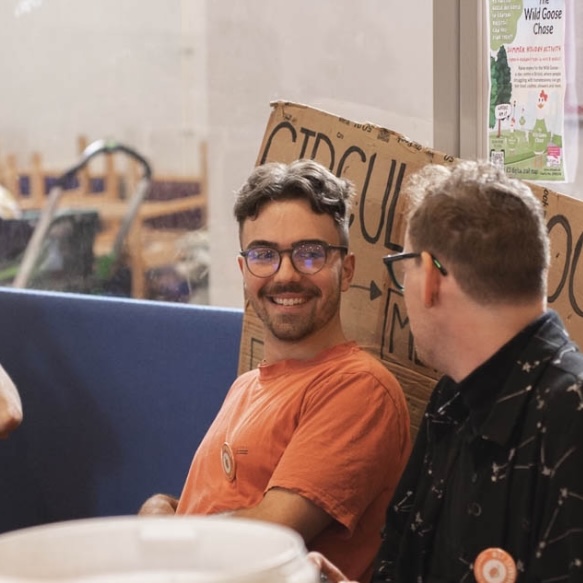
Run by Generation Soil CIC, these hands-on sessions make composting, soil health, and circular food systems practical, accessible, and deeply human. You won’t just learn theory. You’ll touch soil, handle compost, and leave with skills you can use immediately at home or in your community..

What Is a Circular Food System?
A circular food system reimagines food not as a linear journey from plate to bin, but as a continuous cycle of nourishment.
In a circular system:
Food is grown in healthy soil
Waste is prevented wherever possible
Unavoidable scraps are composted
Nutrients return to the soil to grow more food
At Generation Soil, this principle underpins everything we do, from our Food Waste Collection Service to our two-acre food forest.
Instead of extracting resources and discarding waste, circular systems regenerate life. They reduce emissions, restore soil biology, and build resilience at a local scale.

What You’ll Learn in Our Circular Food Workshops
These workshops are designed to be practical, sensory, and empowering. No prior experience is needed.
1. Composting Methods for Real Life
You’ll learn multiple composting approaches, including:
Bokashi fermentation for flats and small spaces
Community composting models
Garden and allotment compost systems
We demystify composting and show how it fits into daily life, whether you live in a city flat or have access to outdoor space.
This session pairs well with our blog What Is Bokashi? How Microbes Transform Food Waste into Soil.
2. Building Living Soil, Not Just Compost
Healthy soil is alive. During the workshop, you’ll create a biologically active soil mix using ingredients such as:
Compost and worm castings
Biochar
Mycorrhizal fungi and beneficial bacteria
Organic amendments that support microbial life
This connects directly to the ideas explored in Soil: The Unsung Hero Beneath Our Feet, where we unpack why soil biology matters for food, climate, and wellbeing.
3. Growing Food in a Circular System
Participants plant seeds using the soil they’ve created and take them home. This step closes the loop and shows how compost, soil, and food are inseparable.
Growing food becomes not just an outcome, but a relationship with living systems.

Why Learn Composting and Soil Skills Now?
Food waste, soil degradation, and climate breakdown are not abstract problems. They show up in rising food costs, depleted landscapes, and fragile supply chains.
Learning composting and circular food skills allows you to:
Reduce household food waste
Improve soil health naturally
Grow more nutritious food
Take part in local climate solutions
These themes are explored further in The Food Waste Hierarchy: Turning Waste into Soil and Community.
Who Are These Workshops For?
These workshops are designed for:
Individuals and families
Community groups and schools
Businesses exploring sustainability
Anyone curious about composting and soil
No jargon. No judgement. Just practical learning rooted in care and curiosity.

From Workshops to Ongoing Action
Many participants go on to:
Sign up for our Food Waste Collection Service
Subscribe to our newsletter for more tips
Start composting projects at home, work, or school
Workshops often act as the first encounter. From there, people deepen their relationship with soil over time.
Learn. Compost. Regenerate.
Circular food systems don’t begin with grand policies. They begin with attention, skills, and small actions repeated together.
If you’re based in Bristol and want to learn how composting, soil, and food connect, our Circular Food Workshops are a powerful place to start.


Comments